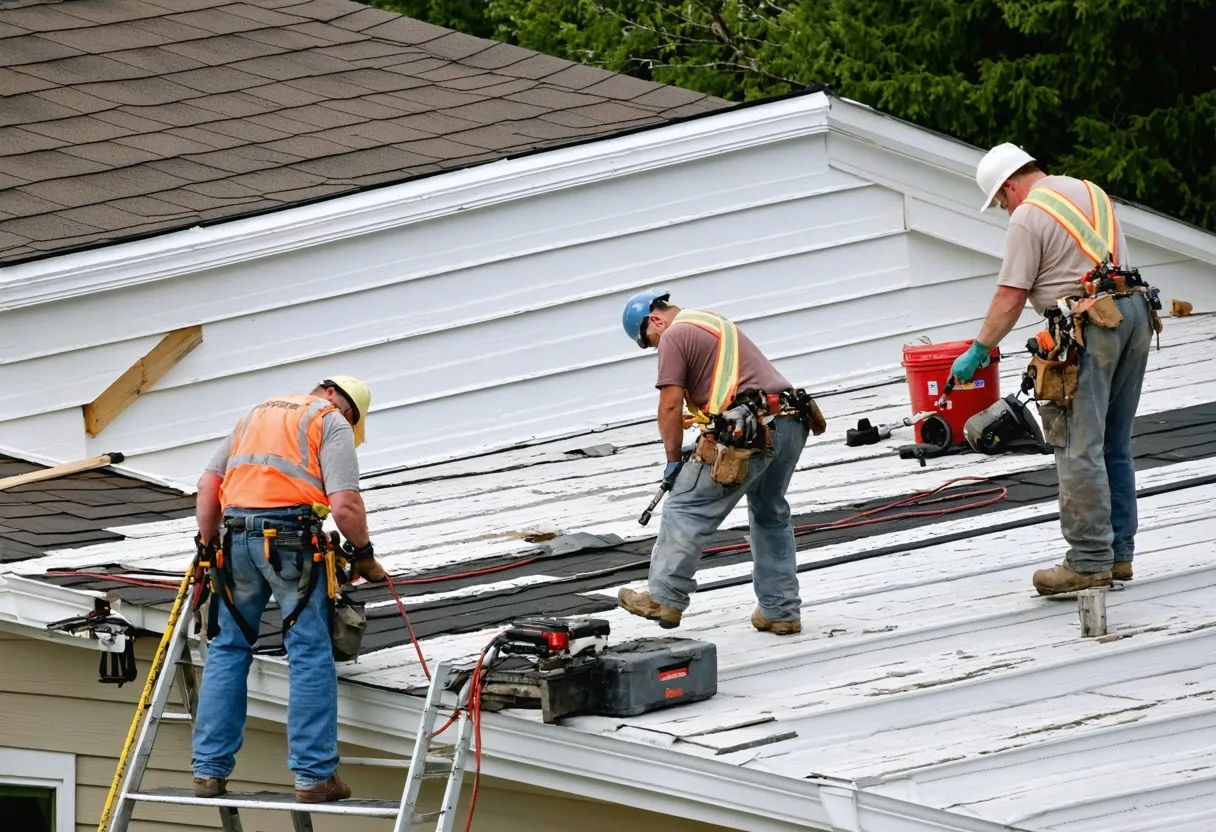
When temperatures crash through negative double digits and a roof starts leaking into the living room, waiting until Monday morning isn't an option. Emergency roof repair in Fairbanks means a crew that answers the phone at 2 a.m., shows up with tarps and ice tools built for interior Alaska conditions, and stops the damage before it spreads through the attic, insulation, and framing. This page walks through what 24-hour roof repair actually involves here, what drives the cost, and how to choose a roofer who understands why a house built before 1994 behaves differently under a heavy snow load than one built last year.
Why Fairbanks Roofs Fail Differently Than Roofs Anywhere Else
Fairbanks doesn't just get cold — it gets cold, then warms, then refreezes, sometimes within the same week. That freeze-thaw cycling, combined with heavy snow accumulation and drastic temperature shifts, is the single biggest driver of emergency roof calls in this market. Snow melts from the warmth escaping the attic, runs down the roof slope, and refreezes the instant it hits the colder overhang, building an ice dam that backs water up under the shingles or membrane. Once that water finds a nail hole, a flashing seam, or a soft spot in the decking, it doesn't just drip — it runs, often tracking sideways along rafters before it shows up as a stain on a ceiling ten feet from the actual leak.
The other factor that's specific to this area is the age of the housing stock. A large share of homes in and around Fairbanks were built before 1994, under snow-load design standards that assumed lighter accumulation than what the roof actually sees in a heavy winter. Many of those older roof systems were never engineered for a 40 psf snow load, which means the same storm that a newer home shrugs off can flex rafters, stress seams, and open up leak points on an older one. When we respond to an emergency call, we're not just patching a hole — we're assessing whether the underlying structure is telling us something about long-term load capacity, not just this one leak.
What "Emergency" and "Same-Day" Actually Mean Here
Not every leak needs a 2 a.m. response, and not every roofer who advertises "24 hour roof repair" actually staffs for it. Here's how we define true emergencies versus urgent-but-schedulable repairs:
- True emergencies — active water intrusion into living space, a partial roof collapse or sagging deck, storm damage that's left the roof deck exposed, a chimney or vent flashing torn loose in high wind, or an ice dam actively pushing water past the roofline into walls.
- Same-day, non-emergency — a slow drip that's contained by a bucket, a missing shingle or two with no active leak, visible ice damming with no interior water yet, or storm damage discovered the morning after that isn't actively worsening.
For true emergencies, a crew already working in Fairbanks — or one positioned near North Pole or close to Fort Wainwright — can often reach a job faster than a company dispatching from farther out, which matters when every hour of exposure adds more water damage to insulation, drywall, and framing. If you're in one of the outlying areas like Ester, Chena Ridge, or Fox, tell us that up front when you call so we can route the right crew and give you an honest arrival estimate instead of a generic promise.
What Emergency Roof Repair Covers
An emergency call isn't a single fixed service — it's a sequence of triage and repair steps scaled to what's actually happening on your roof. Here's what's typically included:
Emergency Tarping and Water Stoppage
The first priority on any active leak is stopping water from entering the building, not necessarily fixing the roof permanently in the dark or mid-storm. We use reinforced tarps rated for wind and secure them with a fastening pattern that won't tear loose overnight, then redirect water away from the compromised area so it doesn't pool and refreeze into a new ice dam right where we just tarped.
Ice Dam Removal and Prevention
Ice dam calls spike hard in Fairbanks between late fall and early spring. We use low-impact steaming and mechanical removal to clear ice without tearing shingles or membrane loose in the process — chipping with a hatchet or axe, which some homeowners try out of desperation, almost always does more damage than the ice itself. Once the immediate dam is cleared, prevention is the real fix: that means checking attic insulation levels, sealing air leaks from living space into the attic, and confirming soffit and ridge ventilation are actually moving air the way they're supposed to. An ice dam is a symptom; the ventilation and insulation are the disease.
Shingle and Membrane Leak Repair
Wind-lifted shingles, cracked pipe boots, torn flashing, and split seams on membrane roofs are the most common leak sources we find once the tarp comes off and we can inspect properly. We repair or replace the damaged section, check the surrounding fasteners and seams for early failure, and document the underlying decking condition in case moisture has already reached it.
Storm Damage Restoration
High wind, heavy snow load, and falling ice or tree limbs all cause storm damage that needs both immediate stabilization and a longer repair plan. We assess structural framing, decking, flashing, and any punctures, then put together a scope that separates what needs to happen today from what can be scheduled once the weather clears. For storm-driven damage, our storm damage roof repair service covers the full restoration process, including documentation for insurance claims.
Roof Inspections
Every emergency call includes a full roof inspection, not just a patch on the visible problem. We check the roof deck for soft spots or rot, inspect flashing around chimneys, vents, and skylights, evaluate attic insulation and ventilation, and look for signs the roof structure is under more load stress than it was designed for. If you're not in an active emergency but want to catch problems before they become one, our general roof repair page covers routine and scheduled repair work in more detail.
Common Roof Problems We See Across Fairbanks
Ventilation Issues
Poor attic ventilation is behind more winter leaks than people expect. When warm, moist air from living space gets trapped in the attic instead of venting out through soffit and ridge vents, it warms the underside of the roof deck unevenly, which accelerates snowmelt and ice dam formation, and can also lead to condensation, mold, and rotted decking over time. Fixing ventilation is often cheaper than repeatedly repairing the leaks it's causing.
Moss and Algae Growth
Shaded, north-facing roof sections and areas near tree cover can develop moss and algae growth, especially where snow sits longer and organic debris collects in valleys or against flashing. Moss holds moisture against the roofing material, which shortens its lifespan and can lift shingle edges, giving water an entry point. Clearing growth and improving drainage in those spots is a straightforward preventive fix.
Aging and Failing Roofing Materials
Roofs installed decades ago — particularly on that pre-1994 housing stock — are more likely to have brittle, sun- and cold-cracked materials that fail suddenly under snow load rather than gradually. Fasteners loosen, sealant dries out, and flashing that was adequate under older building codes may not hold up to current snow accumulation patterns.
Roofing Types We Service
Emergency and scheduled repair work spans every common roofing system found in the Fairbanks area:
- Asphalt shingle roofing — the most common residential roofing type in the area; repairs range from individual shingle replacement to full section tear-off after storm or ice damage.
- Metal roofing — increasingly popular for its snow-shedding performance, but seam and fastener failures still need prompt attention when they occur.
- Tile roofing — less common locally but requires careful handling during cold-weather repairs since tile becomes brittle in extreme cold.
- Flat roofing — found on many commercial and some residential structures; especially vulnerable to ponding water and ice buildup without proper slope and drainage.
- TPO roofing — a single-ply membrane common on commercial flat roofs; seam separation and punctures are the most frequent emergency issues.
- EPDM roofing — rubber membrane roofing that can develop shrinkage cracks and seam failures with age and temperature cycling.
We also handle skylight installation and repair, which introduces its own flashing and seal considerations — skylight leaks are a frequent source of "mystery" water stains that trace back to failed flashing rather than the glass itself. And for property owners exploring green roofing options, we can talk through what's realistic for this climate, since vegetative and high-reflectivity systems need to be evaluated carefully against Fairbanks' snow load and insulation requirements before installation.
Commercial Roofing Emergencies
Commercial buildings — flat and low-slope roofs especially — face their own emergency scenarios: ponding water that refreezes into ice sheets, membrane punctures from rooftop equipment or foot traffic, and drainage failures that back water up against parapet walls. Downtime for a business is expensive, so commercial emergency response is scoped around minimizing disruption: temporary membrane patching or dry-in solutions that let the building stay operational while a permanent repair is scheduled.
How the Emergency Repair Process Works
- You call, we triage. We ask what's happening — active leak, sagging deck, storm damage, ice dam — and where you're located, so we can send the right crew with the right equipment and give you a realistic time frame.
- Immediate stabilization. On-site, the first job is always stopping active water intrusion — tarping, ice removal, or temporary flashing — before anything else.
- Full inspection. Once the site is stabilized, we inspect the roof deck, flashing, insulation, and ventilation to find the actual cause, not just the visible symptom.
- Written scope and quote. You get a clear explanation of what's damaged, what needs to happen now versus what can be scheduled, and a free quote before any permanent repair work begins.
- Permanent repair. Once materials are on hand and weather allows, we complete the lasting fix — whether that's a shingle section replacement, membrane patch, flashing rebuild, or a structural repair tied to snow load concerns.
- Follow-up documentation. For storm or ice-dam-related damage, we provide photos and a written scope you can use for insurance purposes.
What Affects the Cost of Emergency Roof Repair
Every emergency quote is free, but the price of the actual repair depends on several factors:
- Time of call and severity — after-hours and overnight dispatch for active water intrusion costs more than a scheduled same-day repair with no active leak.
- Accessibility — steep pitches, ice-covered roof surfaces, and difficult access all affect labor time and safety equipment needs.
- Extent of damage — a single lifted shingle is a fraction of the cost of a full section tear-off after sustained ice dam intrusion.
- Underlying structural condition — if the decking or framing has been compromised by prolonged moisture, repair scope (and cost) increases beyond the surface fix.
- Roofing material — metal, membrane (TPO/EPDM), and specialty tile repairs involve different materials and labor than standard asphalt shingle work.
- Ventilation and insulation corrections — if the root cause is poor attic ventilation driving ice dams, addressing that adds cost up front but prevents repeat emergency calls.
We provide free, no-obligation quotes and are upfront about low-cost options where they genuinely solve the problem — sometimes a targeted flashing repair is the right fix, and we'll say so instead of upselling a full re-roof you don't need yet.
Why Choose a Local, Licensed Fairbanks Roofer
Interior Alaska roofing isn't a generic skill set. A roofer who mostly works milder climates won't necessarily understand how snow load design standards, vapor barriers, and ventilation interact in a Fairbanks winter — or why a pre-1994 home needs a different eye than new construction. Choosing local matters for a few concrete reasons:
- Faster emergency response — crews already based in the area, including near North Pole and close to Fort Wainwright, can reach active leaks faster than companies dispatching from outside the region, which directly limits water damage.
- Familiarity with older housing stock — understanding which neighborhoods and home vintages are more likely to be under-built for current snow loads changes how an inspection is approached.
- Licensed and insured work — always confirm any roofer working on your home or business carries proper licensing and insurance, so you're protected if something goes wrong during the repair.
- Local material and permit knowledge — local roofers know which materials and installation details actually hold up through repeated freeze-thaw cycling here, rather than what's standard in a milder climate.
Common Mistakes Homeowners Make With Roof Emergencies
- Chipping at ice dams with an axe or hatchet. This routinely punctures shingles or membrane, turning an ice problem into a guaranteed leak.
- Waiting to see if it dries out on its own. Trapped moisture in insulation and framing doesn't just evaporate in a Fairbanks winter — it often refreezes and causes more damage.
- Only patching the visible leak. If the ventilation or insulation problem causing the ice dam isn't addressed, the same leak tends to come back the next cold snap.
- Hiring based on price alone without confirming licensing and insurance. An uninsured repair gone wrong can cost far more than the difference in quotes.
- Delaying storm damage documentation. Photos and a professional inspection soon after a storm make insurance claims far smoother than waiting weeks.
Roof Lifespan and Maintenance FAQ
Response time depends on severity and location, but active water intrusion is treated as top priority and dispatched as soon as a crew is available, day or night. Being upfront about your exact situation and location when you call — including if you're in an outlying area like Ester, Chena Ridge, or Fox — helps us give you an accurate estimate instead of a generic one.
Asphalt shingle roofs generally last 15 to 25 years, but Fairbanks' freeze-thaw cycling and heavy snow load tend to push well-maintained roofs toward the shorter end of that range unless ventilation and insulation are properly managed. Metal roofing typically lasts longer, often 40 to 60 years, and sheds snow more effectively, which reduces ice dam risk.
Most emergency calls are repairable — a targeted fix to flashing, a section of shingles, or a membrane seam solves the immediate problem. Full replacement becomes the right call when the roof deck is compromised over a large area, the roofing material is at the end of its service life, or repeated repairs point to a systemic ventilation or structural issue rather than an isolated failure.
Many homeowner and commercial policies cover sudden storm damage, though coverage details vary by policy and cause of damage. We document damage with photos and a written scope at the time of repair, which you can submit with your claim — but you'll want to confirm specifics with your insurance provider.
Homes built before 1994 in this area were often designed under older snow-load standards that didn't anticipate today's accumulation levels. Signs worth having checked include visible rafter sag, doors or windows that stick after heavy snow, cracking sounds under load, or recurring leaks in the same area despite repairs. An inspection can confirm whether the structure needs reinforcement, not just surface repair.
Same-day repair means we get to a non-critical issue — like a few missing shingles with no active leak — within the same business day. A 24-hour emergency response is for active water intrusion, structural concerns, or storm damage that can't wait, and is dispatched immediately regardless of the hour.
Request Your Free Roof Quote
Tell us about your roof and we'll get back to you with honest, upfront pricing.
More roofing services
Get a Straight Answer About Your Roof
Reach out for a free, no-pressure quote built around how your roof actually holds up to Fairbanks winters.