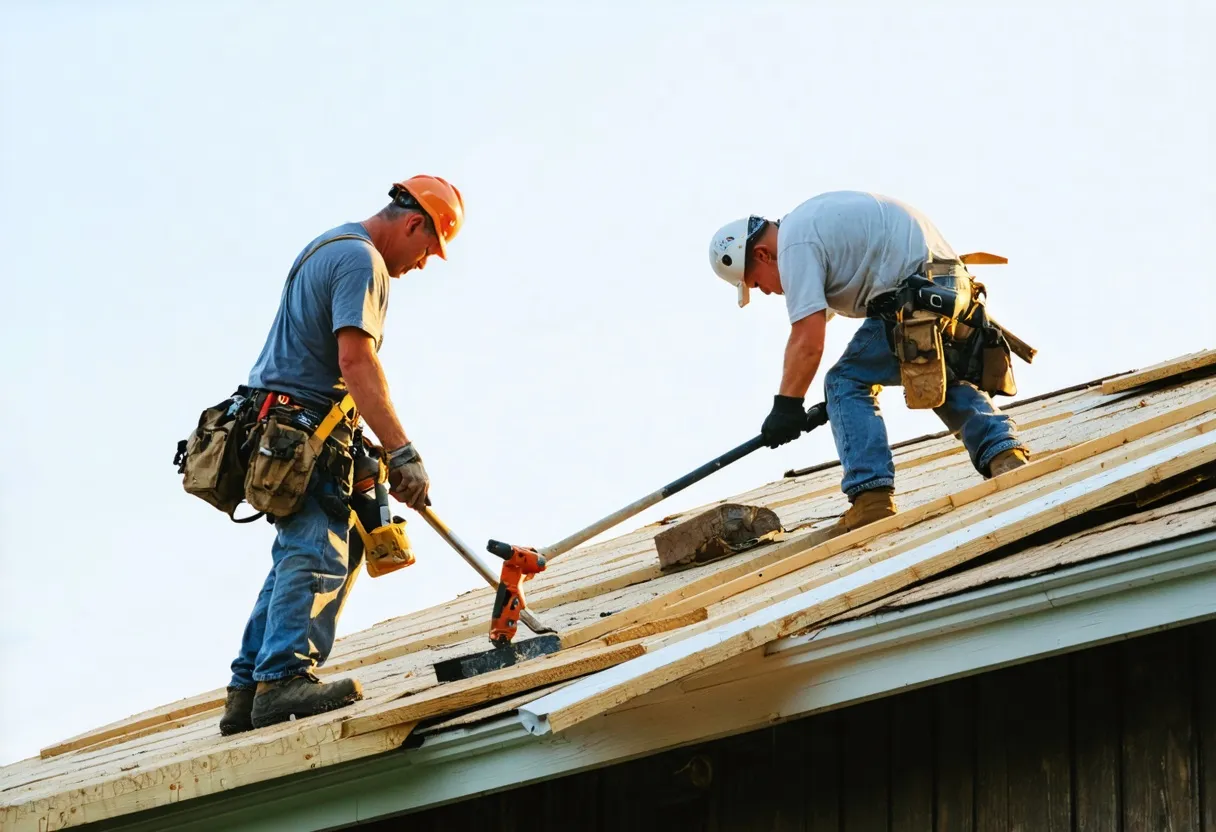
If you own a home or commercial building in Fairbanks, your roof isn't just shedding rain — it's carrying snow loads, cycling through drastic seasonal temperature shifts, and fighting ice dams that form when heat loss meets deep snowpack. Roof replacement in Fairbanks is an engineering decision as much as a cosmetic one, and it should be treated that way. This page covers what a proper roof replacement includes, how the process works from first inspection to final walkthrough, what drives cost in Interior Alaska, how financing and warranties work here, and the mistakes that lead to premature failures on Fairbanks roofs.
Whether you're in town, out toward North Pole, near Fort Wainwright, or up in Ester, Chena Ridge, or Fox, the same core problem shows up on roof after roof: a lot of the region's housing stock was built before the 1994 code updates that pushed structural snow-load requirements to 40 pounds per square foot. Many of those older roofs were framed to lighter, outdated standards, which means both the structure and the roofing assembly deserve a hard look before you simply swap old shingles for new ones.
Why Roof Replacement Works Differently in Fairbanks
In most of the country, a roof replacement is about waterproofing and curb appeal. In Fairbanks, it's about surviving a climate that swings from deep winter cold to warm summer days, with heavy snowfall and repeated freeze-thaw cycling in between. That combination is exactly what drives ice dam formation: heat escapes through an under-insulated or poorly ventilated attic, melts the underside of the snowpack, and the meltwater refreezes at the colder eave, building a dam that backs water up under the shingles.
A roof replacement done right in this market accounts for:
- Structural snow load — confirming the roof deck and framing can handle current 40 psf code requirements, especially on pre-1994 structures that were never engineered for that load.
- Ice dam prevention — proper insulation, air sealing, ventilation, and ice-and-water shield placement, not just a thicker shingle.
- Ventilation balance — matched intake and exhaust venting so warm attic air doesn't pool at the roof deck and accelerate melt-freeze cycling.
- Material selection for cold climates — products rated for the temperature range and UV exposure Interior Alaska sees across a full year.
Skipping any one of these turns a "new roof" into a roof that develops the same ice-dam leaks, deck rot, or shingle failures as the one it replaced — just on a newer timeline. If you're not sure which category your existing roof falls into, a professional roof inspection is the right starting point before committing to full replacement.
Signs You Need a Roof Replacement, Not Just a Repair
Not every roof problem in Fairbanks requires a full tear-off. Plenty of issues — a cracked pipe boot, a section of wind-lifted shingles, isolated flashing failure — are legitimately repair jobs. Replacement becomes the right call when:
- Shingles are curling, cupping, or losing granules across large sections of the roof, not just one slope.
- You've had repeated ice dam leaks in the same areas despite prior patch repairs.
- The roof deck shows soft spots, sagging, or visible daylight through the attic, which usually points to moisture damage under the roofing material.
- The roof is old enough that repair costs are starting to approach a meaningful fraction of full replacement cost.
- You're seeing moss or algae growth on north-facing slopes combined with soft, spongy decking underneath — a sign moisture has been sitting in the assembly.
- Attic ventilation issues have caused visible moisture staining, frost buildup on the underside of the roof deck in winter, or mold odor.
A trained eye can usually tell the difference in one visit. That's why we start every project — repair or replacement — with an actual inspection rather than a driveway estimate.
What a Fairbanks Roof Replacement Includes
Tear-Off and Deck Assessment
Old roofing material is removed down to the deck so it can be inspected directly, not guessed at from below. This is where pre-1994 structures often reveal their age: undersized rafters, insufficient sheathing thickness, or deck sections softened by years of slow ice-dam leaks. Any rot or delamination gets cut out and replaced before anything new goes down — covering damaged decking with new shingles just hides a problem that will resurface.
Ice and Water Shield Placement
Given how common ice damming is in this climate, self-adhering ice-and-water membrane goes down along eaves, valleys, and around every penetration — not just the minimum code strip. On roofs with a documented ice-dam history, we extend this coverage further up-slope than the baseline requirement.
Ventilation Correction
This is where a lot of roof replacements in Fairbanks quietly fail if it's skipped. We balance intake venting (soffit or eave vents) against exhaust venting (ridge vents, box vents) so attic air actually moves instead of stagnating. Poor ventilation is one of the biggest contributors to ice dams and to premature shingle aging from trapped heat and moisture — see our dedicated breakdown on ice dam prevention for how ventilation, insulation, and roofing details work together.
Underlayment and Flashing
Synthetic underlayment rated for cold-climate installation, new step flashing at walls and chimneys, new valley metal, and new pipe boots. Reusing old flashing to save time is a common shortcut that leads to leaks within a few seasons — we don't do it.
Roofing Material Installation
Installed per manufacturer specification for cold-weather application, including proper nailing patterns and sealant activation temperatures, which matter more in Fairbanks than almost anywhere else in the country.
Cleanup and Final Inspection
Magnetic sweep for nails, full site cleanup, and a walkthrough covering warranty paperwork, maintenance expectations, and what to watch for through the first winter.
Roofing Material Options for Fairbanks
The right material depends on your structure, budget, and how much snow and ice load you're designing around. We install and repair the full range:
Metal Roofing
Metal is one of the strongest performers against heavy snow loads and ice damming because its slick surface sheds snow rather than holding it, and standing-seam profiles minimize the seams where ice-dam water can find a way in. It also handles the region's temperature swings well without the granule loss or brittleness that shortens asphalt shingle life. For a deeper look at panel profiles, snow-retention considerations, and cost comparisons, see our page on metal roofing.
Asphalt Shingles
Still the most common residential choice because of upfront cost and wide style selection. In Fairbanks' climate, a properly installed architectural shingle roof — with correct ventilation and ice-and-water underlayment — typically lasts in the range of 20 to 25 years before granule loss and thermal cycling bring it to the end of its service life. Budget three-tab shingles and roofs with ventilation problems tend to fall short of that range.
Tile Roofing
Less common here due to weight and cold-climate installation complexity, but viable on structures engineered to carry the additional load. We evaluate structural capacity before recommending tile on any retrofit project.
Flat, TPO, and EPDM Roofing
Common on additions, garages, and commercial buildings. Flat and low-slope roofs need extra attention to drainage and insulation in this climate, since standing meltwater and slow drainage can refreeze and back up under seams. TPO offers heat-welded seams and strong UV resistance; EPDM is a proven, cost-effective rubber membrane option. Both require careful attention to insulation R-value under the membrane to prevent condensation issues.
Green Roofing Options
For property owners interested in vegetated or high-reflectance roofing systems, green roofing is possible on structures with adequate load capacity and a compatible low-slope design. Given Fairbanks' snow loads, this requires a structural review up front — a green roof assembly adds dead load on top of snow load, and pre-1994 structures in particular need that math checked before design work goes further.
Ice Dam Prevention: Built Into the Roof, Not Bolted On
Ice dams are one of the most common reasons Fairbanks homeowners call us, and they're also one of the most preventable problems with correct design. The cycle is simple: heat escapes from the living space into the attic, warms the roof deck, melts the bottom layer of snow, and that water runs down to the unheated eave and refreezes. Repeat that cycle across a winter and you get a dam thick enough to force water back under the shingles and into the ceiling.
A roof replacement is the best opportunity to fix this permanently, because it's the one time the deck is fully exposed. During replacement we address:
- Attic insulation continuity — gaps and compressed insulation are common heat-loss points in older Fairbanks attics.
- Air sealing — bypasses around can lights, bath fans, and plumbing stacks leak warm, moist air into the attic and are often a bigger contributor to ice damming than insulation R-value alone.
- Balanced ventilation — keeping the entire underside of the roof deck close to outdoor temperature so it doesn't selectively melt snow.
- Ice-and-water shield coverage at eaves, valleys, and penetrations as a backup layer if a dam does form.
For a full explanation of how these pieces interact — and what you can do short of full replacement if your budget doesn't allow it this year — see our dedicated page on ice dam prevention.
Ventilation Issues on Older Fairbanks Roofs
Many homes built before code updates were designed with minimal or mismatched attic ventilation — a ridge vent with no matching soffit intake, or bathroom fans venting straight into the attic instead of outside. The result is trapped moisture that shows up as frost on the roof deck in winter, mold or musty odor, and accelerated ice dam formation. During a replacement, correcting ventilation is not an optional upgrade — it's part of making sure the new roof doesn't develop the same problems the old one had.
Moss and Algae Growth
Moss and dark algae streaking are less about heat and more about moisture retention — typically found on north-facing slopes or areas with poor drainage and shade. Left alone, moss holds moisture against the shingle surface, which accelerates granule loss and can lift shingle edges enough for wind and water intrusion. If you're seeing this on a roof that's otherwise sound, it's often addressable with cleaning and improved drainage or ventilation rather than full replacement — another reason a real inspection matters before assuming the worst.
Skylight Installation
Skylights are a common request during roof replacement since the roof is already open. In this climate, skylight installation needs cold-climate-rated glazing to control condensation, and flashing details that account for snow buildup around the curb. We integrate skylight flashing with the same ice-and-water shield strategy used across the rest of the roof so it doesn't become a weak point during spring melt.
Commercial Roofing
Commercial buildings in Fairbanks — from low-slope TPO and EPDM membrane roofs to standing-seam metal on larger structures — carry the same snow-load and ice-dam risks as residential roofs, at a larger scale where a failure is more costly. Commercial roof replacement typically involves phased work to keep the building operational, closer attention to drainage design on large flat areas, and a maintenance plan since commercial membranes benefit from regular inspection between full replacements.
Storm Damage Restoration and Emergency Service
Wind events, heavy snow loading, and ice-dam backups don't wait for business hours. We provide same-day and 24-hour emergency response for active leaks, wind-damaged sections, and storm damage that needs to be stabilized before it causes interior damage. Emergency service typically means a tarp or temporary seal to stop water intrusion immediately, followed by a full assessment and repair or replacement plan once conditions allow safe access to the roof.
If you're dealing with an active leak right now, don't wait for a scheduled estimate — call for emergency service first and we'll handle the paperwork and permanent repair afterward.
Roof Inspections
Every replacement should start with an honest inspection — not a sales pitch disguised as one. Our inspections cover the roofing surface, flashing, ventilation, visible attic conditions, and structural indicators like deck sag or rafter spacing, especially important on pre-1994 buildings where snow-load capacity is a real question, not a formality. You'll get a clear answer on whether you need repair, replacement, or nothing at all right now. Full details on what's included are on our roof inspection page.
Request Your Free Roof Quote
Tell us about your roof and we'll get back to you with honest, upfront pricing.
More roofing services
Get a Straight Answer About Your Roof
Reach out for a free, no-pressure quote built around how your roof actually holds up to Fairbanks winters.